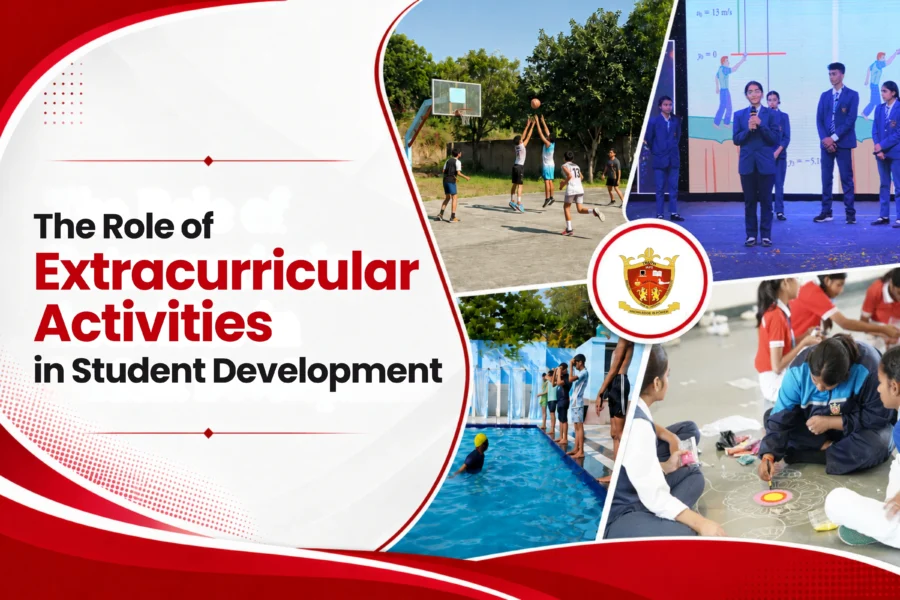
Most parents focus on grades — and they should. But the students who succeed in college, their professional lives and their personal lives require more than academic knowledge. The way students interact with their peers during extracurricular activities determines their ability to think, lead, communicate and deal with challenging situations. A student who plays football, performs in a school play, or runs a debate club develops skills that no textbook can fully teach him or her.
Students who participate in holistic development programs that combine academic work with extracurricular activities show better academic performance, social interaction skills and resilience than their peers who do not participate.
This article defines extracurricular activities and explains their importance for student growth while providing guidance for parents who want to create suitable extracurricular schedules.
Extracurricular activities are structured programmes that students participate in outside the core academic syllabus. They include sports, performing arts and culture, debate, community service, academic clubs, student government, and more.
Unlike elective subjects, extracurriculars are driven by student interest and participation. They are typically organized by the school but go beyond curriculum requirements — creating space for students to explore identity, build character, and discover abilities that classroom settings alone may not reveal.
Not all activities build the same skills. Here is a breakdown of the key categories and what each contributes to a student’s overall development — physically, creatively, intellectually, and socially.
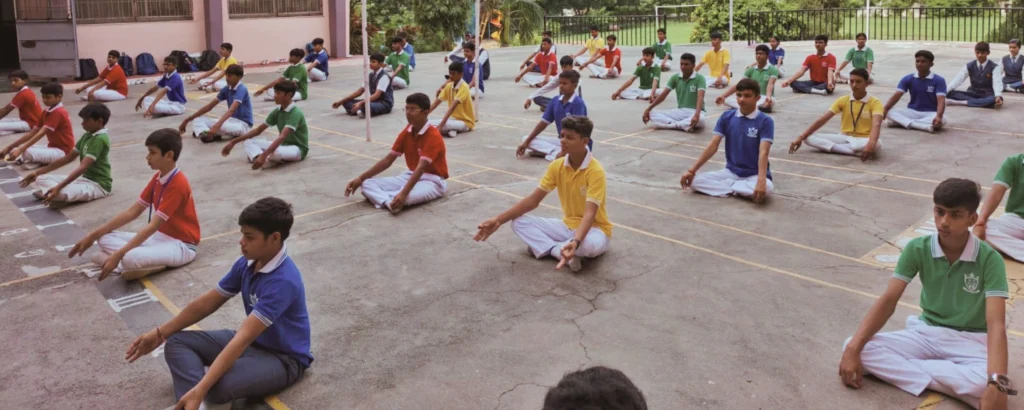
Football, basketball, swimming, athletics, and yoga develop physical fitness, teamwork, and mental resilience. School sports programmes are among the most powerful platforms for character development — teaching discipline, perseverance, and the ability to function well under competitive pressure.
Painting, dance, theatre, instrumental music, and choir develop creative thinking, aesthetic sensitivity, and expressive confidence. Participation in arts and culture school programmes is strongly linked to higher academic achievement and improved emotional regulation in students.
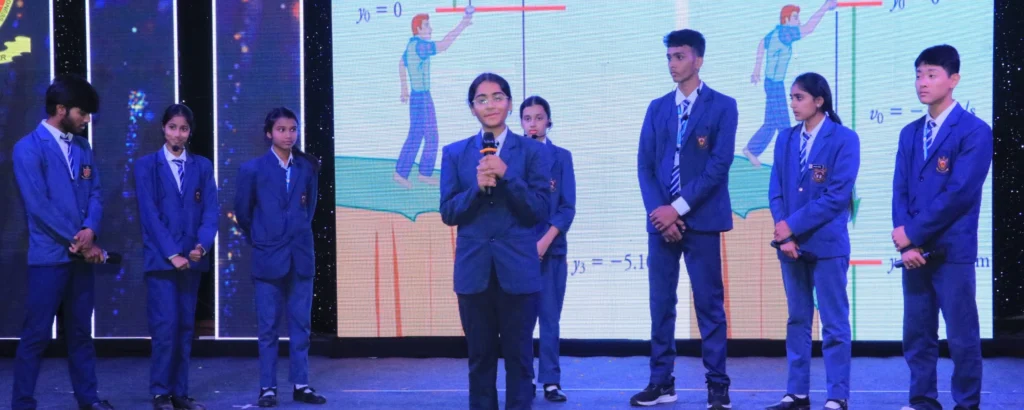
Debate, Model UN, quiz clubs, and science fairs build analytical thinking, research ability, and the courage to articulate and defend ideas in public. These are the activities that most directly support competitive academic and professional environments.
Volunteering and social service activities develop civic responsibility, empathy, and perspective — exposing students to realities beyond their immediate environment and building the values that define engaged, responsible citizens.
The idea that activities distract from studying is a myth. The evidence points in the opposite direction — structured participation consistently supports, not hinders, academic performance.
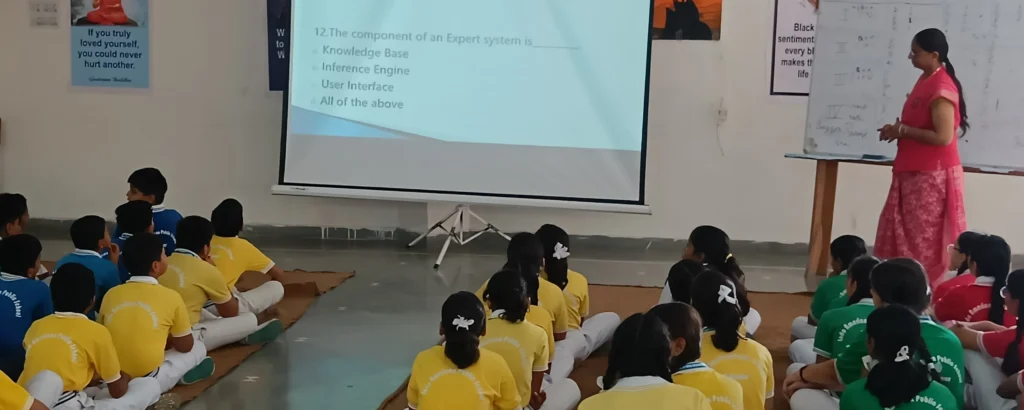
Active participation in the physical and creative activities by students who join sports or art and culture school programs demonstrate better focus in classroom and are more active and energetic during school hours.
The process of balancing practice sessions with rehearsals and club meetings together with homework assignments enables students to develop their ability to prioritize tasks while they plan their work and complete projects by specific deadlines.
Extracurricular activities push students to develop creative and analytical thinking skills through their experiences in chess which requires strategic planning and their need to adapt during matches and their performance practice which requires them to make spontaneous decisions.
Classrooms teach knowledge. Extracurricular activities teach students how to be with people and that is one of the most valuable skills any young person can develop. Here is how it happens:
The activities of debate clubs, theatre performances and student council work and group presentations require students to demonstrate their ability to speak and listen because these activities simulate real-world situations which require effective communication.
Team sports and group projects teach students to trust others and share responsibility while they learn how to handle disagreements through constructive methods.
The skills learned through these projects form the basic skills needed for all professional and personal relationships.
Social activities provide students from different backgrounds with chances to interact with students/peer with different social background. These activities help them establish friendships along with development of empathy. This process helps decrease social isolation together with school-based bullying problems.
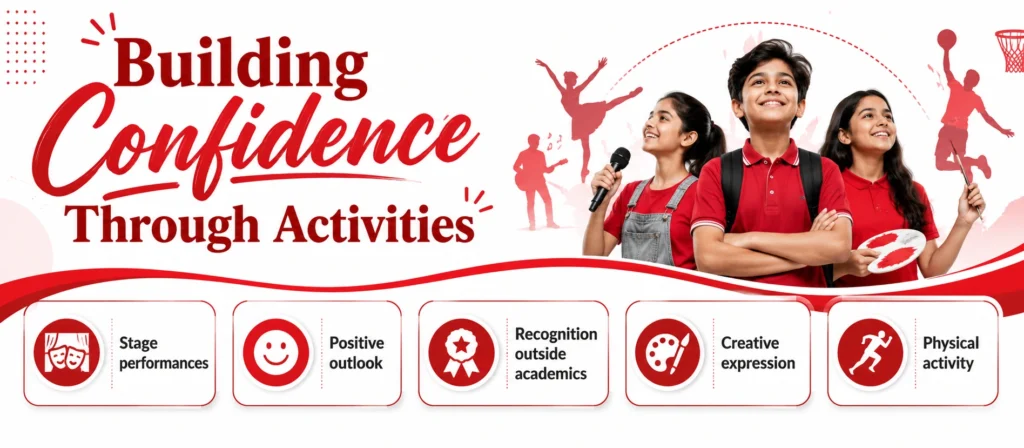
Stage performances: The act of performing on stage and the practice of competing in sports teach students how to control their nervousness while maintaining their ability to function when faced with stressful situations.
Positive outlook: The process of winning and losing within proper environments teaches students how to handle their failures without extreme reactions while they learn to appreciate their achievements without developing arrogance, which leads to their emotional development.
Recognition outside academics: Students who do not achieve first-place academic status through recognition of their non-academic achievements receive a platform that allows them to succeed while their existence becomes visible to others, which leads to their enhanced self-esteem and connection to school life.
Creative expression: Art, music, and drama enable students to express themselves creatively, which creates healthy emotional outlets that become essential for students who face stress and family pressure and transitional challenges.
Physical activity: The practice of regular physical activity through school sports leads to improved mental health outcomes, including reduced anxiety and depression rates among adolescents, which results in observable enhancements of their mood and cognitive functions.
Leadership, time management, communication, and adaptability — skills built in activity settings — are transferable across every academic discipline, career path, and life context a student will encounter.
Top universities in India and internationally use extracurricular records to differentiate between students with similar academic scores. A student with a consistent activity record signals genuine character — not just exam ability.
Students who engage in structured activities from school develop professional behaviours — punctuality, accountability, collaboration — years before their peers who focus solely on academics.
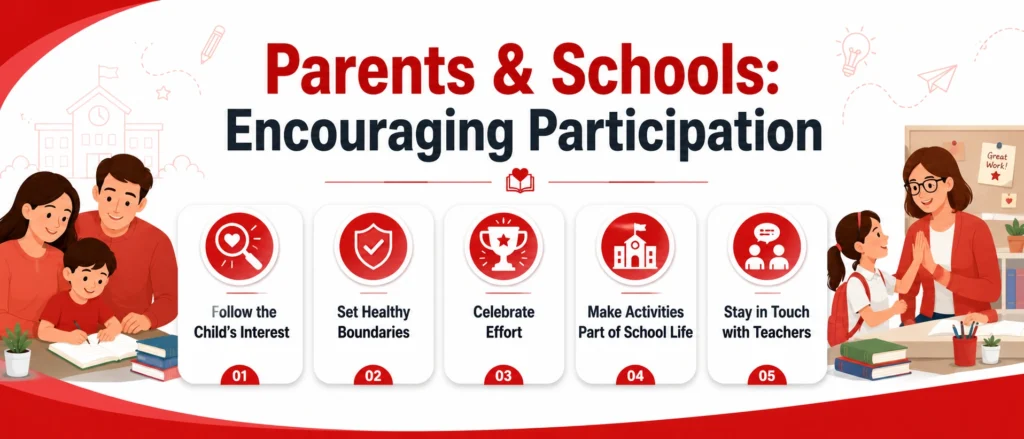
Extracurricular activities serve as essential components of education. Students use these activities to explore their identity beyond academic knowledge while developing essential character traits and life skills that will support their future university studies and professional work and their overall life journey.
At Indo American Public School Udaipur our faculty recognizes that authentic learning extends beyond the classroom boundaries. Our Utsav programme together with our structured extracurricular framework which includes sports and arts and performing arts and leadership initiatives and community engagement activities will create a supportive learning environment that helps students develop their skills throughout various activities.